$0.00
Collection: signs of skin aging
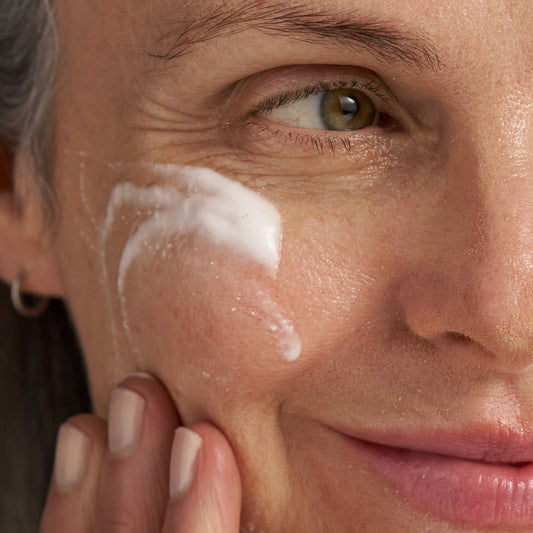
A proactive approach to managing skin aging triggers can keep skin smoother, firmer and healthier – for longer. Learn more about how to treat fine lines and wrinkles here.
-

 Sold out
skin resurfacing lactic acid cleanser
retexturizes aging skin
Regular price $49Regular priceUnit price perSale price$49 -


FAQs
What are the most common signs of skin aging?
Common signs of skin aging include fine lines and wrinkles, loss of firmness and elasticity, uneven tone or dark spots, rough or uneven texture, increased dryness, and the appearance of enlarged pores. These changes reflect shifts in overall skin health that many people notice over time.
What causes visible signs of skin aging?
Signs of skin aging result from a combination of intrinsic (chronological) aging and extrinsic factors. The most significant external contributor is UV exposure, along with pollution, smoking, stress, poor sleep, diet, and repetitive facial movements. Protecting skin from environmental stressors and supporting barrier health can help minimize their impact.
When should I start a routine to address signs of skin aging?
Preventive care can begin at any age. Daily sun protection, antioxidant use, gentle hydration, and consistent cleansing form the foundation of healthy aging skin. Many people introduce targeted treatments in their mid-20s to 30s as early changes appear, but prevention is effective at any age.
Which ingredients help improve the appearance of skin aging?
Well-studied ingredients that help improve visible signs of skin aging include retinoids to support cell turnover, peptides to support firmness, antioxidants such as Vitamin C to defend against environmental stress, hyaluronic acid to hydrate and smooth, and hydroxy acids (AHAs and BHAs) to refine texture. Daily SPF is essential to help protect results and prevent further visible damage.
How do I start using a retinoid safely?
Begin retinoids gradually by starting with a lower concentration and applying every other night, increasing frequency as your skin builds tolerance. Pair retinoid use with a gentle cleanser, a supportive moisturizer, and consistent daily SPF. If you have sensitive skin or are pregnant or trying to conceive, consult a Professional Skin Therapist (PST) before starting, as some retinoids are not recommended.
How long does it take to see results from skin aging products?
Some improvements, such as smoother texture and brighter-looking skin, may appear within 4–12 weeks. Increases in firmness and collagen-related changes typically take longer, often several months of consistent use. Individual results vary based on skin condition, ingredients used, and adherence to the routine.
Can topical skincare replace professional treatments?
Topical products are essential for daily skin care and can deliver meaningful visible improvements. However, they often work best when paired with professional treatments. Many Professional Skin Therapists recommend ongoing professional care as part of long-term skin health maintenance to address deeper concerns and enhance results.
What is the best order to layer products that target signs of skin aging?
In the morning, apply products in order of texture and function: cleanse first, follow with treatment serums such as Vitamin C, then hydrating serums, moisturizer, and finish with sunscreen. At night, cleanse the skin, apply targeted treatments such as retinoids, follow with hydrating serums, and seal with moisturizer. Allow lighter formulas to absorb before applying richer textures, and avoid combining multiple strong exfoliating treatments with retinoids unless guided by a PST.
Are there any ingredients or treatments to avoid during pregnancy?
Certain retinoids and strong chemical peels are not recommended during pregnancy. Safer alternatives often include hyaluronic acid, many antioxidants (such as Vitamin C), and gentle exfoliation methods approved by a Professional Skin Therapist. Always consult a PST or health professional about pregnancy-safe options before introducing new active ingredients.
How can I improve dark spots and uneven tone related to skin aging?
Consistent daily SPF is critical, along with ingredients such as Vitamin C, niacinamide, and hydroxy acids to help brighten and even tone over time. For more persistent or advanced hyperpigmentation, professional in-clinic treatments (like targeted peel systems) and personalized care plans from a PST can help accelerate improvement when combined with a protective daily regimen.
Featured collection
See for yourself why these are the ultimate fan favorites.