$0.00
Collection: sensitivity and redness
New scientific research has unearthed a new trigger behind sensitized skin, as well as ingredients for accelerated relief.
SKIN CONCERN:
-

 Sold out
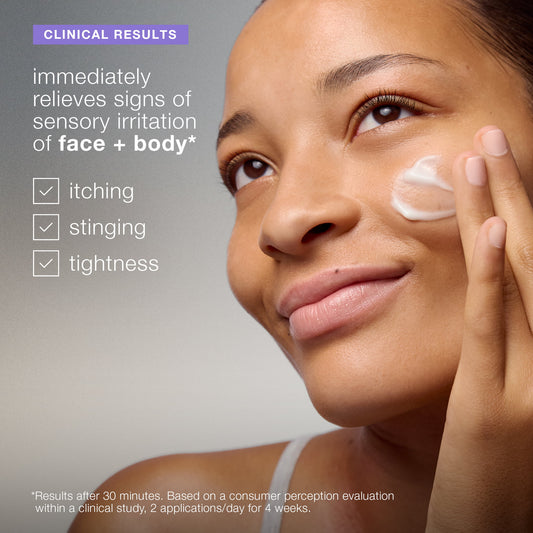
stabilizing repair face + body serum
calms + comforts reactive skin
Regular price $69Regular priceUnit price perSale price$69 -

 Sold out
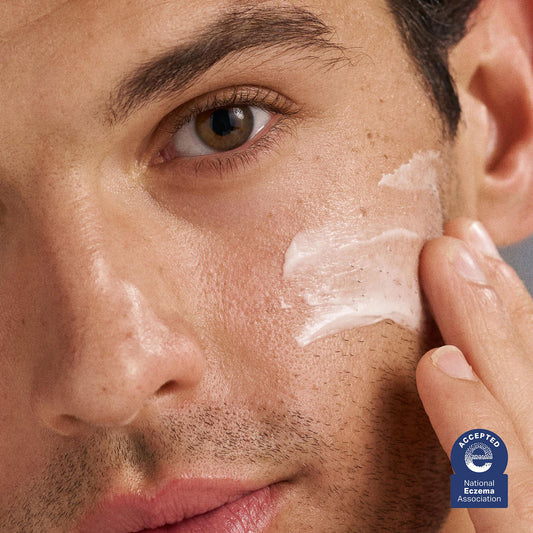
stabilizing repair cream
strengthens, soothes, repairs
Regular price $25Regular priceUnit price perSale price$25Regular price $69Regular priceUnit price perSale price$69Regular price $99Regular priceUnit price perSale price$99 -

-

 Sold out
ultracalming cleanser
calms and cools sensitized skin
Regular price $49Regular priceUnit price perSale price$49Regular price $73Regular priceUnit price perSale price$73Regular price $65Regular priceUnit price perSale price$65 -

 Sold out
calm water gel
calms and hydrates sensitive skin
Regular price $59Regular priceUnit price perSale price$59 -

 Sold out
ultracalming mist
soothes and relieves inflammation
Regular price $49Regular priceUnit price perSale price$49 -

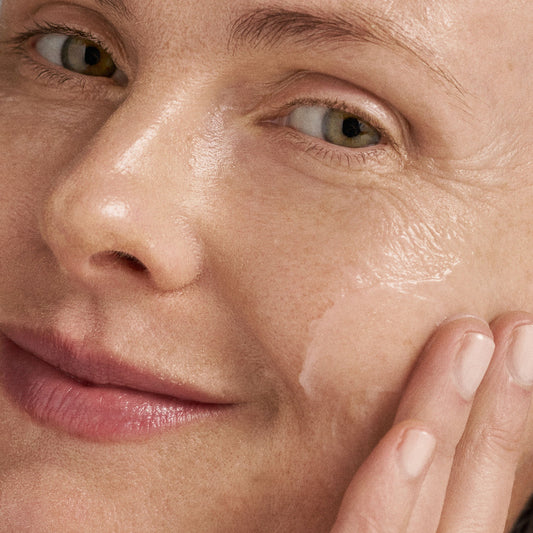 Sold out
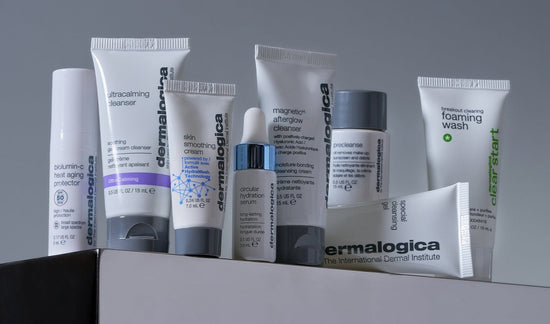
sensitive skin rescue kit
calms, soothes, hydrates
Regular price $39.50Regular priceUnit price perSale price$58$39.50 -

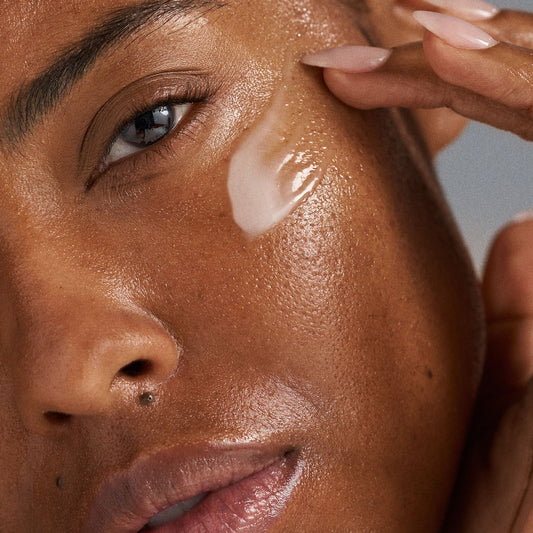 Sold out
smart response serum
hydrates, brightens, soothes
Regular price $158Regular priceUnit price perSale price$158Regular price $235Regular priceUnit price perSale price$235 -

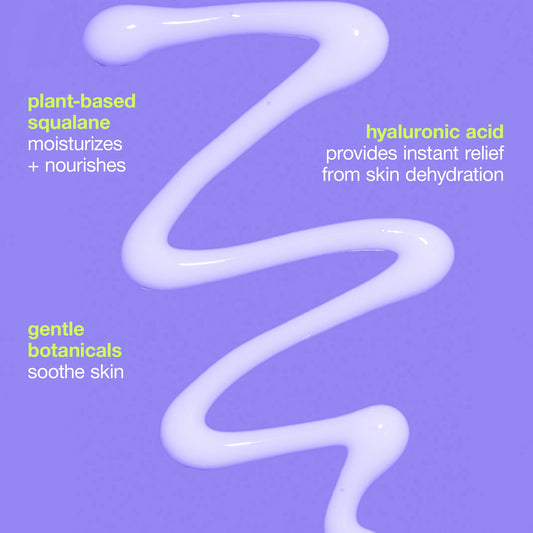 Sold out
skin soothing hydrating lotion
soothes discomfort and hydrates
Regular price $27Regular priceUnit price perSale price$27


FAQs
What causes sensitive skin and visible redness?
Sensitive or reactive skin can result from a weakened skin barrier, inflammation, environmental triggers (heat, wind, sun), certain ingredients or treatments, and underlying conditions such as rosacea or eczema. Managing triggers and supporting the barrier are key to reducing redness and reactivity.
How can I tell if my redness is general sensitivity or a condition like rosacea?
General sensitivity usually appears as temporary flushing or irritation after triggers, whereas rosacea tends to show persistent central redness, visible blood vessels, and occasional bumps. If redness is chronic, worsening, or accompanied by burning or eye symptoms, consult a healthcare professional and a Professional Skin Therapist (PST) for guidance.
Which ingredients soothe sensitive or redness-prone skin?
Look for calming and barrier-supporting ingredients such as ceramides, niacinamide, hyaluronic acid, squalane, colloidal oat extracts, and clinically tested calming actives. Dermalogica’s UltraCalming franchise is formulated specifically to stabilize redness and sensitivity.
Which ingredients or products should I avoid if my skin is sensitive?
Avoid fragranced products, high concentrations of alcohol, strong essential oils, and aggressive treatments (strong chemical peels, high-dose retinoids, or harsh scrubs) while skin is reactive. Introduce new actives one at a time and patch-test first. Consult a PST for stronger treatments.
What is a gentle daily routine for sensitive skin or skin prone to redness?
Use a soap-free, pH-balanced gentle cleanser, followed by a hydrating mist or toner, a soothing serum, and a barrier-supporting moisturizer. Finish with broad-spectrum SPF during the day. UltraCalming products like the cleanser, mist, serum, and Stabilizing Repair Cream are formulated to calm and protect reactive skin.
Can I exfoliate if I have sensitive or redness-prone skin?
Avoid aggressive physical exfoliants or strong at-home peels while skin is inflamed. Gentle, low-frequency chemical exfoliants or enzyme-based treatments can be introduced once skin is stabilized, ideally under guidance from a PST.
Is sunscreen important for sensitive or red-prone skin, and which type is best?
Yes. Daily broad-spectrum SPF protects the skin barrier and prevents redness from worsening. Mineral (physical) sunscreens are often better tolerated by reactive skin. Choose formulas labeled for sensitive skin and reapply as directed.
Can I wear makeup if my skin is sensitive or prone to redness?
Yes. Use non-comedogenic, fragrance-free, or mineral/calming makeup and apply gently. Remove makeup with a mild cleanser, avoid layering multiple new products at once, and patch-test new makeup products before full use.
When should I consult a Professional Skin Therapist (PST) or doctor about redness?
See a PST for a personalized routine if redness is persistent, recurrent, or you want tailored care. Consult a dermatologist promptly for severe burning, swelling, open sores, sudden worsening, or signs of rosacea, eczema, or allergic reaction.
Are sensitivity and redness-focused products safe during pregnancy?
Many calming and barrier-supporting products are safe during pregnancy, but avoid strong actives like high-dose retinoids. Always check ingredient safety and work with a healthcare provider and PST to build a pregnancy-safe routine.
Featured collection
See for yourself why these are the ultimate fan favorites.