$0.00
Collection: acne and breakouts
An acne-reducing regimen should target bacteria, inflammation + dehydration to keep breakouts at bay while caring for the skin underneath. Learn more about how to treat acne and breakouts here.
SKIN CONCERN:
-
 Sold out
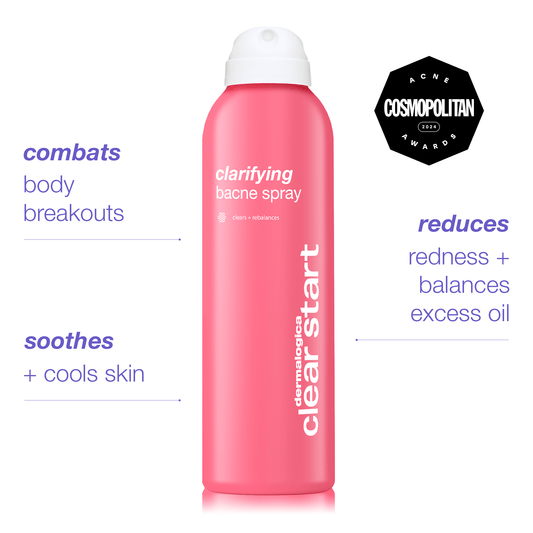
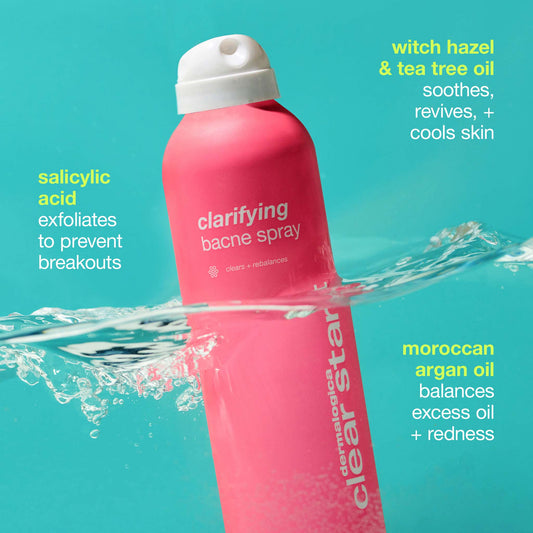
clarifying bacne spray
treats and prevents body breakouts
Regular price $28Regular priceUnit price perSale price$28 -

 Sold out
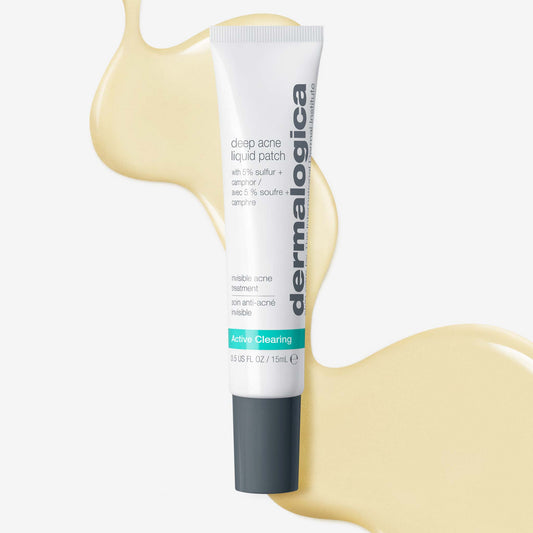
deep acne invisible liquid patch
soothes and clears on contact
Regular price $36Regular priceUnit price perSale price$36 -


-

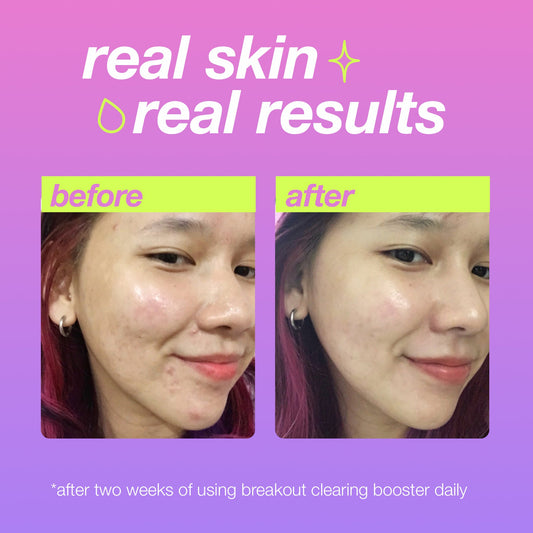 Sold out
breakout clearing booster
clears breakouts fast
Regular price $27Regular priceUnit price perSale price$27 -

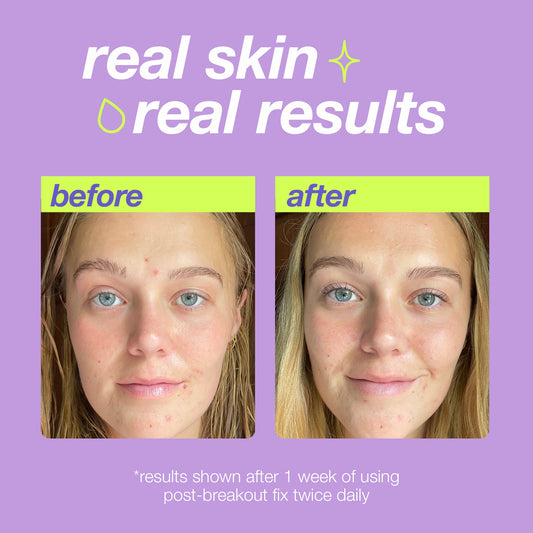 Sold out
post-breakout fix
fades post-breakout marks
Regular price $25Regular priceUnit price perSale price$25


What causes acne and breakouts?
Breakouts occur when excess oil (sebum), dead skin cells and bacteria clog pores. Hormones, stress, diet, certain medications, and clogged hair follicles on the body can also contribute. Proper cleansing, targeted acne treatments, and lifestyle factors like stress management can help prevent and reduce breakouts.
Breakouts occur when excess oil (sebum), dead skin cells and bacteria clog pores. Hormones, stress, diet, certain medications, and clogged hair follicles on the body can also contribute. Proper cleansing, targeted acne treatments, and lifestyle factors like stress management can help prevent and reduce breakouts.
What causes acne and breakouts?
Breakouts occur when excess oil (sebum), dead skin cells and bacteria clog pores. Hormones, stress, diet, certain medications, and clogged hair follicles on the body can also contribute. Proper cleansing, targeted acne treatments, and lifestyle factors like stress management can help prevent and reduce breakouts.
How should I build a basic skincare routine for acne-prone skin?
Start with a gentle, non-stripping cleanser to remove excess oil and impurities. Add a chemical or mild physical exfoliant 2–3 times per week to prevent clogged pores, followed by a lightweight, non-comedogenic moisturizer. Finish with targeted treatments like acne serums or spot treatments. For best results, pair at-home care with guidance from a Professional Skin Therapist.
Which active ingredients help treat breakouts, and how do I use them safely?
Key acne-fighting ingredients include salicylic acid (BHA) to unclog pores, benzoyl peroxide to reduce acne-causing bacteria, retinoids to normalize cell turnover, sulfur for spot treatment, and niacinamide to calm inflammation. Introduce one active at a time, follow product directions, and use sunscreen when using acids or retinoids. If you are pregnant or nursing, avoid salicylic acid and benzoyl peroxide and consider safer alternatives such as sulfur-based treatments.
How long will it take to see improvement in my breakouts?
Early improvements in skin texture and clarity may appear within a few weeks, but meaningful reductions in breakouts and pore congestion typically take 4–12 weeks of consistent use. If acne worsens or fails to improve, consult a Professional Skin Therapist or healthcare provider.
Can I use exfoliants and retinoids together if I have acne-prone skin?
Yes, but start slowly. Introduce one active at a time, and use exfoliants (chemical or enzymatic) on alternate nights to retinoids. Monitor for irritation and reduce frequency if your skin barrier is compromised. Always prioritize hydration and follow product instructions to maintain healthy skin barrier function while using actives.
What are pregnancy-safe options for treating acne?
During pregnancy, avoid salicylic acid and benzoyl peroxide. Safer alternatives include sulfur-based spot treatments and gentle exfoliants. Always consult a healthcare provider before starting any acne treatment during pregnancy.
How can I treat body acne, including acne on the back and chest?
Use a gentle antibacterial or clearing body wash and exfoliate lightly to prevent clogged pores. Wear breathable fabrics, shower promptly after sweating, and use targeted spot treatments for persistent lesions. Seek advice from a Professional Skin Therapist if acne is severe, widespread, or leaves scarring.
Can makeup make acne worse, and how can I minimize that risk?
Makeup can contribute to clogged pores if it’s heavy, occlusive, or not removed properly. Use non-comedogenic, oil-free products, cleanse thoroughly at night, and avoid layering makeup over active breakouts. Choose lightweight coverage and always remove makeup before bed to reduce risk of worsening acne.
What should I do about post-breakout marks and acne scars?
For dark marks (post-inflammatory hyperpigmentation), use gentle brightening and exfoliating ingredients as tolerated, and protect skin daily with broad-spectrum SPF. For textural scarring, consult a Professional Skin Therapist or dermatologist for in-clinic treatments and a tailored plan. Avoid picking or popping blemishes to prevent further scarring.
Which Dermalogica products are commonly recommended for acne-prone skin?
Dermalogica recommendations include targeted clearing cleansers and treatments such as Clearing Skin Wash, Daily Microfoliant for gentle exfoliation, Age Bright Clearing Serum or Retinoid Clearing Oil for renewing blemish-prone skin, and Deep Acne Liquid Patch for localized lesions. Always follow product instructions and professional guidance when layering actives.
Featured collection
See for yourself why these are the ultimate fan favorites.