14 min read
Retinol vs retinoid: which is right for your skin?
01/09/2026Learn the key differences between retinol and retinoids and why choosing the right one matters for your skin.


What’s the difference between retinol and retinoid? Is one better than the other? Why does it even matter? Read on to answer all your burning questions about the differences between these ingredients and why it matters for your skin.
Retinol vs retinoid. What's the difference?
So, what’s the difference between retinol and retinoid? Plot twist: retinol is actually a type of retinoid. A retinoid is a Vitamin A derivative that has many subtypes, including retinol. Retinoids at prescription strength, called Retinoic Acid, are generally stronger and act faster, whereas retinol is a gentler, over-the-counter option commonly found in serums and creams.
What makes retinoids more potent than retinol?
The difference in potency comes down to the speed at which retinoids and retinol are processed on the skin. In order for skin to effectively use retinoids or retinol, they must be broken down into retinoic acid. The faster this process happens, the more effective it is on the skin.
Retinol converts more slowly, making it milder and generally better tolerated by sensitive or reactive skin. This slower conversion also helps reduce the risk of irritation, redness, or peeling that can occur with stronger retinoids.
Which is better for my skin?
Just because retinol is less potent than other retinoids doesn’t mean it’s inferior. Retinol is still very good at treating common skin concerns like acne and aging, plus it has a lower chance of irritating skin than prescription strength Retinoic Acid (Tretinoin). Retinol is recommended for common and moderate skin issues like routine breakouts, fine lines and wrinkles, and dark spots.
Prescription retinoids such as Retinoic Acid (Tretinoin) on the other hand, can only be attained with a doctor’s prescription and are best suited for moderate to severe acne, deep wrinkles, advanced photoaging, or stubborn hyperpigmentation. Using a retinoid without medical guidance can be too harsh for skin that doesn’t need strong repair. If you’re considering prescription retinoids, consult a dermatologist to determine the right fit.
How to add retinol or retinoids to your routine
- For aging skin, we try our Dynamic Skin Retinol Serum. It’s formulated with a 3.5% Retinoid Complex that easily and effectively treats the 4 signs of skin aging.
- For acne and breakouts, Retinoid Clearing Oil combines reparative Retinyl Propionate with skin-supporting ingredients to calm and clear the skin.
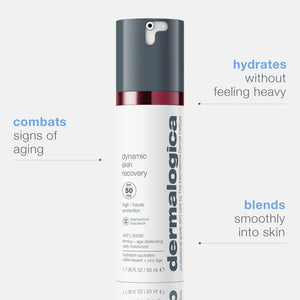
- Always top off your retinol treatment with a protective moisturizer, like Dynamic Skin Recovery SPF 50, to lock in treatment and shield your skin from UV damage and environmental stressors like sun rays and free radicals.
For more information on how to use retinol or retinoids safely, see our guide to retinol blog.
Retinol + SPF: why it matters
Sun protection is critical when using retinol or retinoids. UV exposure can heighten skin sensitivity and potentially irritate skin that’s already susceptible to damage due to retinol use. Apply and reapply sunscreen every day, even if you’re indoors or it’s cloudy.
Beginner tips: how to start retinol or retinoid
If this is your first time using retinol, remember the golden rule: start slow and observe your skin.
-
Apply a pea-sized amount to the whole face.
-
Use at night on dry, clean skin.
-
Introduce one night a week, then gradually increase frequency.
-
Monitor your skin and adjust as needed. Less is more when starting.
Frequently Asked Questions (FAQs)
-
Can I use both retinol and a prescription retinoid at the same time?
Layering usually doubles irritation, not results. If you’re on a prescription retinoid, drop the retinol unless your dermatologist advises otherwise.
-
How long until I see results?
In general, retinol may take 8–12 weeks for visible improvements in texture and fine lines. Dermalogica’s Dynamic Skin Recovery Serum visibly reduces the 4 signs of skin aging in just 2 weeks.* Prescription retinoids can show acne improvement in 4–6 weeks, with more dramatic anti-aging changes over several months.
*Clinical results with 30 volunteers on reduction in appearance of wrinkles, pores, dark spots, and uneven texture in 2 weeks test.
-
What is the difference between retinol and retinoid?
A retinoid is a Vitamin A derivative, and retinol is a specific type of retinoid. Retinoids at prescription strength act faster, while retinol converts more slowly and is gentler.
-
Is purging a normal part of retinol or retinoid use?
Purging happens when micro-impurities surface faster, but severe burning or rawness indicates irritation or misuse.
-
Can I skip moisturizer with retinoids if I have oily or acne-prone skin?
No. Moisturizer is essential to maintain barrier health and prevent excessive irritation. Explore our collection of moisturizers.
-
I peeled with retinol. Does that mean I can’t use Vitamin A derivatives?
Not necessarily. Lower-strength or encapsulated retinol, slower application schedules, and buffering with moisturizer can improve tolerance. If irritation persists, consult a dermatologist.