$0.00
Powered by
or
Collection: peptides
FRIENDS + FAMILY EVENT
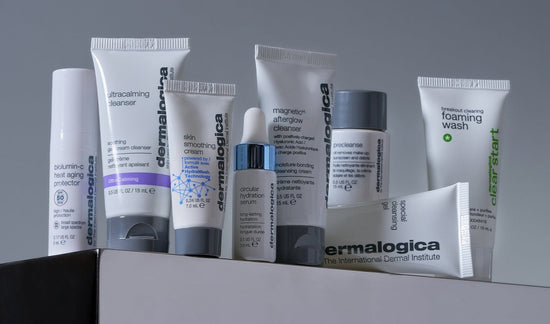
Choose up to 5 free minis + receive a travel pouch*
Spend $50+, choose 2 minis
Spend $100+, choose 4 minis
Spend $150+, choose 5 minis + receive a travel pouch
SKIN CONCERN:
No products found
Use fewer filters or remove all
FAQs
What are peptides in skin care and what do they do?
Peptides are short chains of amino acids — the building blocks of proteins — that act as signaling molecules in the skin. When applied topically in well-formulated products, peptides can help support the skin’s natural repair processes and improve the appearance of firmness and resilience over time.
What skin concerns do peptide product help with?
Peptides are commonly used to address visible signs of asking aging such as loss of firmness, fine lines, and uneven texture. They also support overall skin health by helping reinforce the skin’s structural support system, making them suitable for a wide range of skin types and concerns.
How do I incorporate peptides in my skincare routine?
Apply peptide products after cleansing and any lightweight serums, and before heavier creams or oils. Peptides can typically be used in the morning and/or evening depending on product instructions. Consistent use is key to seeing results over time.
Can I use peptides with retinol, Vitamin C or chemical exfoliants?
Yes. Peptides are generally compatible with many active ingredients. They can be layered with antioxidants like Vitamin C and used alongside retinoids. If you are new to stronger actives, introduce products gradually and monitor for sensitivity. If irritation occurs, alternate use between morning and evening.
How long does it take to see results from peptides?
Visible improvements typically appear with consistent use over several weeks to months. Many people notice early improvements in skin texture and firmness after about four weeks, with more noticeable results after two to three months, depending on formulation and individual skin factors.
Are peptides safe for sensitive skin or during pregnancy?
Peptides are generally well tolerated and considered low risk for irritation. However, individual sensitivity can occur. If you are pregnant, breastfeeding or managing a medical condition, consult your healthcare provider before introducing new active products. Patch testing is recommended for sensitive skin.
Do higher peptide concentrations work better?
Not necessarily. Effectiveness depends on the type of peptide, the overall formulation and how well the ingredient is delivered into the skin. A well-designed formula with supportive ingredients often matters more than a higher stated concentration.
Can peptides replace retinol or other anti-aging actives?
Peptides and retinoids work differently and are often complementary. Peptides support skin signaling and structure, while retinoids promote cell turnover and renewal. Many routines include both to address multiple signs of visible aging.
What side effects can peptide products cause?
Most people experience little to no irritation from peptides. In rare cases, mild redness or sensitivity may occur, especially when combined with other potent actives. If irritation persists, discontinue use and consult a skin care professional.
How should peptide products be stored for best results?
Store peptide products in a cool, dry place away from direct sunlight, and keep packaging tightly closed to maintain stability.
Featured collection
See for yourself why these are the ultimate fan favorites.