$0.00
Powered by
or
Collection: oiliness
When it comes to controlling excess oiliness and maintaining a matte finish, it's all about a daily regimen.
-
 Sold out
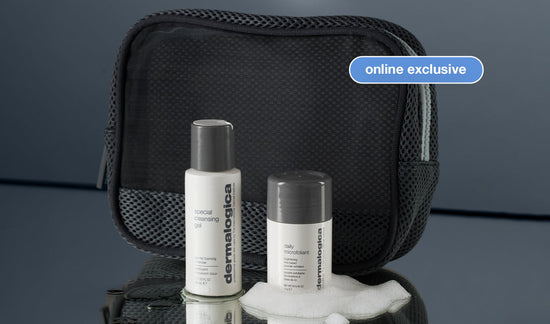
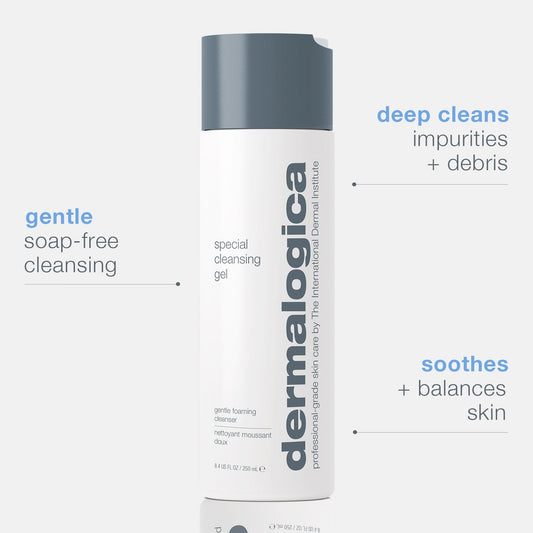
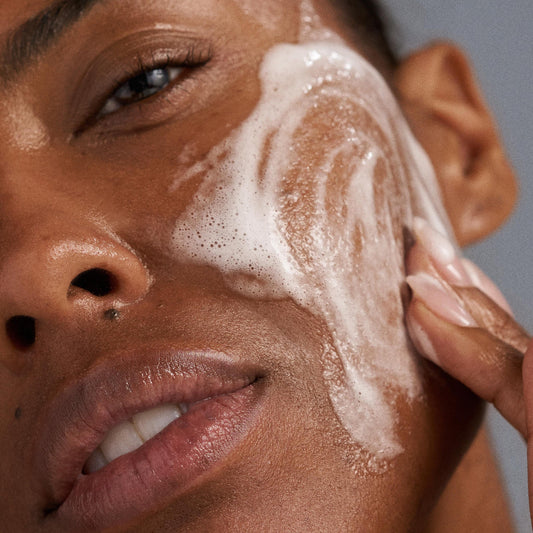
special cleansing gel
washes away impurities
Regular price $16Regular priceUnit price perSale price$16Regular price $49Regular priceUnit price perSale price$49Regular price $73Regular priceUnit price perSale price$73Regular price $65Regular priceUnit price perSale price$65 -
 Sold out
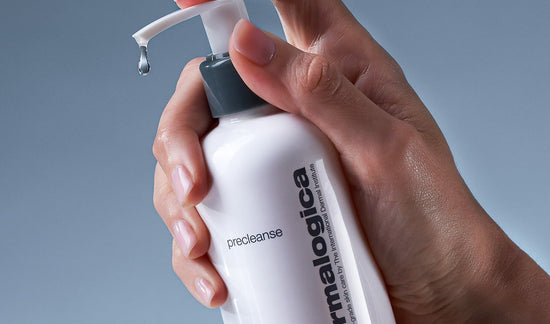
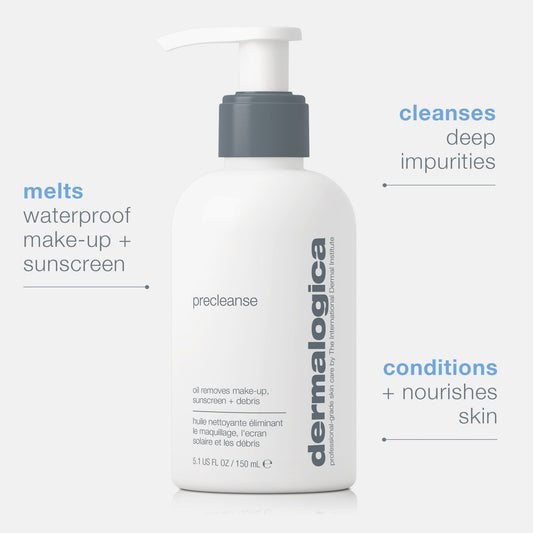
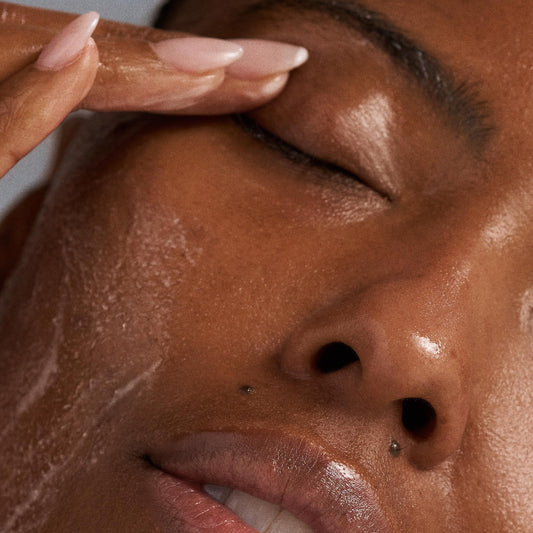
precleanse cleansing oil
melts make-up and impurities
Regular price $17Regular priceUnit price perSale price$17Regular price $49Regular priceUnit price perSale price$49Regular price $79Regular priceUnit price perSale price$79 -


-

 Sold out
active moist moisturizer
provides oil-free hydration
Regular price $49Regular priceUnit price perSale price$49Regular price $83Regular priceUnit price perSale price$83Regular price $99Regular priceUnit price perSale price$99


FAQs
What causes oily skin and excess sebum production?
Oily skin is caused by overproduction of sebum from the skin’s sebaceous (oil) glands. Common triggers include genetics, hormonal fluctuations (such as puberty, menstrual cycles, pregnancy or medications), climate, including heat and humidity, and certain skincare or hair products. A Professional Skin Therapist (PST) can help identify your primary triggers and recommend a balanced routine.
How can I tell if I have oily skin or combination skin?
Oily skin typically appears shiny across most of the face, often with visible pores and frequent congestion and breakouts. Combination skin is oily mainly in the T‑zone (forehead, nose, chin) while cheeks feel normal or dry. Blotting the skin 2–3 hours after cleansing can help differentiate: widespread oil indicates oily skin, while shine limited to the T‑zone suggests combination skin. Face Mapping can provide a more precise assessment.
What is the best skincare routine for oily skin?
An effective oily-skin routine focuses on cleansing, balancing oil, and maintaining hydration. Cleanse twice daily with a gentle, pH‑balanced gel or foaming cleanser, use targeted treatments to manage oil and congestion, apply lightweight hydration, and finish with daily sunscreen. Avoid overly drying products, which can trigger rebound oil production.
What is the best cleanser for oily or acne-prone skin?
Look for gentle foaming or gel cleanses that remove excess oil without stripping the skin. Ingredients like salicylic acid or oil-balancing botanicals can help keep pores clear. Avoid harsh sulfates or alcohol-heavy formulas that can disrupt the barrier and increase oil production over time.
Should I use a moisturizer if my skin is oily?
Yes. Skipping moisturizer can actually make oily skin worse. When skin lacks hydration, it may compensate by producing more oil. Choose lightweight, oil-free, non‑comedogenic moisturizers that hydrate without feeling heavy or greasy.
Which ingredients help reduce oily skin and shine?
Key oil-controlling ingredients include salicylic acid (BHA) to clear pores, niacinamide to help regulate oil and minimize pores, clay or kaolin to absorb excess sebum, zinc to soothe and balance, and lightweight humectants like hyaluronic acid to hydrate without adding oil. Retinoids can also help normalize oil production over time when used correctly.
How often should I exfoliate if I have oily skin?
Most people with oily skin benefit from exfoliating 1–3 times per week, depending on the exfoliant type. Salicylic acid and gentle chemical exfoliants may be used more frequently than physical scrubs. Over-exfoliating can damage the barrier and increase oiliness, so start slowly and adjust based on tolerance.
Can oily skin still be dehydrated?
Yes. Oily skin can be dehydrated when it lacks water but still produces excess oil. Dehydration may feel tight or uncomfortable beneath surface shine. Using lightweight, water-based hydrating serums alongside oil-balancing products helps restore balance.
How should I layer products in an oily‑skin routine?
Layer skincare products from the lightest texture to the heaviest. Start with cleansing, then apply exfoliating or oil-control treatments when used. Follow with lightweight, water-based serums such as hydrating or niacinamide formulas, then apply an oil-free or gel moisturizer. In the morning, finish with a broad-spectrum sunscreen. Allow each product to absorb fully before applying the next to help control shine and prevent congestion.
Do mattifying primers or powders actually help oily skin?
Mattifying products can temporarily reduce shine and help makeup last longer, but they don’t address the root causes of oiliness. They work best when paired with a consistent skincare routine that balances oil, supports hydration, and keeps pores clear. Always remove makeup thoroughly at the end of the day.
Can diet or lifestyle changes affect oily skin?
Lifestyle factors such as stress, sleep, and skincare products can influence oil production. Some people notice changes in oiliness when moderating high‑glycemic foods or dairy, though results vary. Consistent skincare, stress management, adequate hydration, and avoiding pore-clogging products are foundational. A PST can help tailor care based on individual patterns.
Featured collection
See for yourself why these are the ultimate fan favorites.


Balance oily skin with optimal hydration. Skin can overproduce oil for many reasons but one of the main ones is that it lacks water chemistry and overcompensates dehydration by producing more oil. Our oily skin care products work to keep oily skin clean, mattified, and hydrated to help limit excess oil and shine. Allow ingredients like botanical extracts of Lemon, Cucumber and Burdock to help to refine pores and refresh oily skin.