11 min read
Dna damage and nad+: the hidden drivers of skin aging
04/16/2026 / Last Edited 07/22/2026When most people think about skin aging, they picture fine lines, rough texture, and uneven tone. But those visible changes are the end result of a process that starts much earlier — at the cellular level, where two critical and interconnected things are happening: NAD+ levels are declining, and DNA damage is accumulating. Understanding how they're connected is one of the most important — and most underappreciated — keys to long-term skin health.


What is NAD+ and why does it matter for skin?
NAD+ (nicotinamide adenine dinucleotide) is a coenzyme found in every cell of your body. It plays a central role in cellular energy production and repair — essentially, it's what allows your cells to do their jobs. When NAD+ levels are healthy, skin cells have the energy they need to repair damage, renew themselves, and maintain their structure. When NAD+ levels drop, everything slows down.
Here's the problem: NAD+ levels decline significantly as we age. For skin, this means less energy available for the repair processes that keep it looking and feeling healthy.
The visible result of declining NAD+? Slower cell turnover, reduced resilience, and the gradual appearance of the signs we associate with aging skin: roughness, uneven tone, loss of firmness, and dullness.
Think of NAD+ as the fuel your skin needs to repair itself. When that fuel runs low, damage starts to accumulate faster than skin can address it.
What is DNA damage in skin, and what causes it?
Every single day, your skin is exposed to forces that trigger DNA-related damage at the cellular level:
- UV radiation is the most significant driver. Both UVA and UVB rays create damage within skin cells that, if not repaired, leads to visible aging over time — which is why daily SPF is non-negotiable, even on cloudy days.
- Environmental pollution generates free radicals — unstable molecules that attack healthy cells and break down structural proteins like collagen and elastin.
- Oxidative stress from a range of sources (diet, sleep deprivation, stress, environmental exposure) creates ongoing cellular damage that compounds with age.
The key point: this damage is happening beneath the surface, continuously, and largely invisibly. You don't see it immediately. But over time, it shows up as fine lines, rough texture, uneven tone, and skin that looks tired and less resilient than it used to.
The cycle connecting NAD+ decline and DNA damage
NAD+ and DNA damage are directly linked — and the connection is what makes both of them so important to understand together.
Your skin has natural enzymes (including PARP enzymes) that are responsible for repairing DNA-related damage. These enzymes require NAD+ to function. When NAD+ levels are healthy, these repair systems run efficiently, addressing damage before it compounds.
When NAD+ declines with age, those same repair enzymes have less fuel to work with. The result is a vicious cycle: less NAD+ means slower repair, slower repair means more damage accumulates, and more accumulated damage accelerates the visible signs of skin aging. The cycle reinforces itself over time.
This is why supporting NAD+ isn't just a wellness trend — it's a meaningful strategy for skin longevity. You're not masking the signs of aging; you're helping address the underlying cellular mechanics behind them.
What does accumulated DNA damage actually look like on skin?
As the repair-damage cycle continues over time, the effects become increasingly visible:
- Fine lines and wrinkles form as collagen production slows and skin's structural support weakens
- Rough, uneven texture develops as cell turnover slows and surface renewal becomes less efficient
- Uneven skin tone and dullness appear as cellular communication and renewal processes lose efficiency
- Loss of firmness as the skin's ability to maintain its structural proteins declines
- Reduced resilience — skin that bounces back more slowly from stress and environmental exposure
Importantly, none of these changes happen overnight. They reflect damage that has been accumulating over months and years. Which is exactly why addressing the underlying cause early — rather than waiting until the signs are obvious — is so much more effective.
How to support NAD+ and defend against DNA damage in your skincare routine
Supporting skin at the cellular level requires ingredients that work on the root causes, not just the surface appearance. Here's what to look for:
NAD+ precursors and support complex
Topical ingredients that help maintain cellular NAD+ levels keep skin's repair systems running more efficiently. A Longevity Renew Complex supports NAD+ to help cells perform the repair work they're designed to do.
Omni-antioxidant protection
A single antioxidant addresses a limited range of free radicals. An omni-antioxidant blend — one that neutralizes multiple types of free radicals simultaneously — provides broader, more comprehensive defense against the oxidative stress that drives DNA-related damage. This is especially important given the variety of environmental aggressors skin faces daily.
Barrier-supporting and hydrating ingredients
Skin that's dehydrated or barrier-compromised is less resilient and more vulnerable to environmental damage. Barrier-strengthening ingredients work alongside the active repair-focused ingredients to improve overall performance and skin health.
Daily broad-spectrum SPF
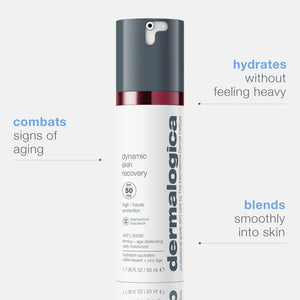
No topical treatment can fully compensate for ongoing, unprotected UV exposure. Daily SPF is the most evidence-backed step you can take to prevent the primary driver of DNA-related skin damage. Pair your treatment with a broad-spectrum SPF30+ moisturizer like Dynamic Skin Recovery SPF50 every morning.
Our recommendation: FutureCode Booster
Dermalogica FutureCode Booster
FutureCode Booster is formulated to address both sides of the visible aging cycle: declining NAD+ and accumulating DNA-related damage. Rather than masking signs of skin aging, it supports skin's natural repair functions at the cellular level — working with your skin's biology, not around it.
Key actives:
- Longevity Renew Complex — helps maintain NAD+ levels to keep repair systems functioning optimally
- Omni-antioxidant blend — neutralizes multiple types of free radicals to help reduce visible DNA-related damage and defend against environmental stress
- Barrier-supporting and hydrating ingredients — strengthen skin, improve resilience, and enhance overall performance.
Clinical result: FutureCode Booster helped boost skin's defenses against oxidative stress and DNA-related damage by up to 248% when paired with MultiVitamin Power Recovery Cream.*
How to use: Apply to cleansed skin before moisturizer. Can be used morning and/or night.
Pairs powerfully with MultiVitamin Power Recovery Cream for amplified antioxidant defense.
*Based on in vitro testing of FutureCode Booster with an antioxidant cream vs. antioxidant cream alone.
Why starting early makes a difference
This is the part that most people miss: visible signs of skin aging don't appear until damage has already been accumulating for a long time. By the time you see fine lines, rough texture, or loss of firmness, your skin's repair systems have been under strain for years.
Waiting until changes are obvious means you're playing catch-up. Supporting NAD+ and addressing DNA-related damage earlier — before signs are fully visible — is when this type of approach is most effective. With consistent use, you're not just improving how skin looks today. You're investing in how it performs over time.
Skin longevity isn't about looking younger. It's about keeping your skin healthy, resilient, and functioning well for as long as possible.
Frequently asked questions
What is NAD+ in skincare?
NAD+ (nicotinamide adenine dinucleotide) is a coenzyme found in every cell that's essential for energy production and cellular repair. In skincare, ingredients that support or maintain NAD+ levels help keep skin's natural repair systems functioning more efficiently — which is why NAD+ has become a key focus in skin longevity science.
Can you boost NAD+ levels in skin topically?
Topical formulas can include ingredients that support NAD+ levels and the pathways dependent on it. A Longevity Renew Complex, for example, is designed to help maintain cellular NAD+ to keep repair systems running optimally. While oral NAD+ precursors (like NMN and NR) have gotten attention in wellness circles, topical support directly targets skin cells where the work needs to happen.
What causes DNA damage in skin?
The primary causes are UV radiation (both UVA and UVB), environmental pollution, and oxidative stress from free radicals. UV exposure is the most significant driver of cumulative DNA-related skin damage, which is why daily broad-spectrum SPF is one of the most important steps in any skincare routine.
How does DNA damage lead to visible skin aging?
When DNA-related damage accumulates faster than skin can repair it — especially as NAD+ declines with age — it affects the cells responsible for producing collagen, maintaining skin structure, and driving cell renewal. Over time, this shows up as fine lines, rough texture, uneven tone, and loss of firmness.
What's the difference between antioxidants and NAD+ support?
Antioxidants work by neutralizing free radicals before they cause damage. NAD+ support works by helping skin's own cellular repair systems address damage that has already occurred. Both are important — which is why formulas that combine an omni-antioxidant blend with NAD+ support offer more comprehensive coverage than either approach alone.
What age should I start using NAD+-supporting skincare?
NAD+ levels begin declining in early adulthood, and DNA damage accumulates over time without being visible. Most skin experts suggest that preventive, cellular-level approaches are most effective when started before signs of aging become obvious — rather than after. That said, supporting NAD+ is beneficial at any stage.
Can I use FutureCode Booster with other dermalogica products?
Yes — and pairing it with MultiVitamin Power Recovery Cream is specifically supported by clinical testing, showing up to 248% improvement in skin's defenses against oxidative stress and DNA-related damage vs. the cream alone.
The bottom line
Visible skin aging is the result of processes that have been unfolding beneath the surface for years. Declining NAD+ and accumulating DNA damage form a reinforcing cycle that drives the fine lines, rough texture, and loss of firmness we associate with aging skin.
Supporting NAD+ while actively defending against DNA-related damage — especially with an omni-antioxidant approach — is one of the most meaningful things you can do for your skin's long-term health. It's not about chasing perfection. It's about giving your skin what it needs to repair, renew, and stay resilient over time.
This article is for educational purposes only and is not a substitute for medical advice. Consult a qualified skin therapist or healthcare provider for personalised skincare recommendations.
Related reading: